
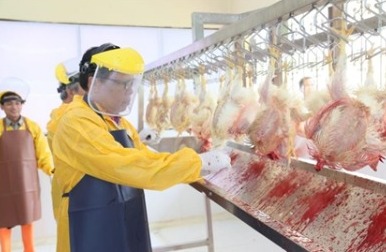

Starting a slaughterhouse involves much more than preparing a building and purchasing equipment. Business owners must also comply with various legal requirements to ensure food safety, animal welfare, environmental protection, and public health. A legally operated slaughterhouse builds customer confidence and reduces the risk of administrative penalties or business interruptions.
As demand for safe and high-quality meat products continues to grow, governments enforce stricter regulations for slaughterhouse operations. Following the proper legal procedure from the beginning allows business owners to run their facilities more efficiently while meeting industry standards.
Understanding the complete procedure for establishing a legal slaughterhouse helps entrepreneurs prepare every requirement before operations begin. Good planning not only speeds up the licensing process but also creates a stronger foundation for long-term business growth.
Prepare a Comprehensive Business Plan
Every successful slaughterhouse starts with careful planning. Before applying for permits, define the business model, identify the target market, estimate operational costs, and calculate the expected production capacity.
The business plan should also explain where the facility will operate, how animals will arrive, how meat products will reach customers, and how the company will handle daily operations. Clear planning helps business owners make better financial decisions while demonstrating professionalism during the licensing process.
A detailed business plan also helps investors, financial institutions, and government agencies understand the project’s feasibility.
Choose a Suitable Location
Location plays a major role in slaughterhouse operations. A suitable site should comply with local zoning regulations and provide enough space for processing areas, livestock holding facilities, waste management systems, storage rooms, and transportation access.
Business owners should also consider nearby residential areas, water availability, drainage systems, and environmental conditions before selecting a location. Choosing the right site from the beginning reduces the chance of future legal or operational problems.
A well-planned location also supports efficient workflow and helps maintain proper sanitation throughout the facility.
Complete All Required Business Licenses
After selecting a suitable location, the next step involves obtaining the required business licenses from the relevant authorities.
Depending on local regulations, applicants may need business registration documents, operational permits, environmental approvals, building permits, and other legal documents before construction or operation begins.
Business owners should carefully review every requirement and submit complete documentation. Accurate applications reduce processing time and help authorities evaluate the project more efficiently.
Keeping all permits updated also protects the business from future legal issues.

Build Facilities That Meet Safety Standards
A slaughterhouse should support hygienic operations from the moment animals arrive until finished products leave the facility.
The building layout should separate clean and dirty areas to minimize contamination risks. Processing rooms, cold storage, equipment cleaning stations, employee changing areas, and waste handling facilities should all support safe operations.
Business owners should select durable construction materials that are easy to clean and maintain. Proper lighting, ventilation, drainage, and water supply also contribute to a safer working environment.
Designing the facility around food safety standards helps maintain product quality while simplifying future inspections.
Implement Animal Welfare Practices
Modern slaughterhouse operations place strong emphasis on animal welfare. Proper handling before slaughter reduces unnecessary stress and supports better meat quality.
Employees should move animals calmly, provide adequate space, supply clean drinking water, and minimize rough handling throughout the process. Staff members should also understand humane handling techniques and follow established welfare guidelines during daily operations.
Businesses that prioritize animal welfare demonstrate greater professionalism and strengthen consumer confidence.
Develop an Effective Waste Management System
Waste management forms an essential part of slaughterhouse operations. Blood, wastewater, solid waste, and other by-products require proper handling to prevent environmental pollution.
Business owners should install appropriate treatment systems and follow environmental regulations when processing or disposing of waste materials. Regular monitoring also helps identify potential issues before they become serious environmental problems.
A responsible waste management program protects surrounding communities while supporting sustainable business operations.
Maintain Food Safety and Hygiene
Food safety should remain a top priority throughout every production stage.
Employees should wash their hands regularly, wear clean protective clothing, sanitize equipment after use, and maintain strict cleaning schedules. Managers should also inspect production areas frequently to verify that hygiene standards remain consistent.
Routine sanitation practices reduce contamination risks and help businesses produce meat products that meet customer expectations.
Businesses should also establish written standard operating procedures so every employee follows the same safety practices.
Train Employees Regularly
Well-trained employees contribute directly to safe and efficient operations.
Training programs should cover food safety, workplace hygiene, equipment operation, animal handling, emergency procedures, occupational safety, and environmental responsibilities. Regular refresher training helps employees stay updated with new regulations and industry practices.
Investing in employee development improves productivity while reducing operational mistakes.
Prepare for Official Inspections
Government authorities may inspect slaughterhouses before issuing operational approval and may continue conducting periodic inspections afterward.
Business owners should organize business records, maintenance logs, sanitation schedules, employee training records, and operational documents before every inspection. Keeping complete documentation demonstrates compliance and simplifies the inspection process.
Regular internal evaluations also help businesses identify weaknesses and implement improvements before official inspections take place.
Continue Improving Business Operations
Receiving legal approval marks the beginning of the business rather than the end of the compliance process.
Business owners should regularly evaluate operational performance, update safety procedures, maintain equipment, improve employee skills, and monitor changes in government regulations. Continuous improvement helps slaughterhouses remain competitive while maintaining high operational standards.
Companies that actively improve their facilities often gain stronger customer trust and build a better reputation within the industry.
Conclusion
Establishing a legal slaughterhouse requires careful preparation, regulatory compliance, and a long-term commitment to food safety, environmental protection, and animal welfare. Business owners should develop a solid business plan, obtain the necessary permits, build compliant facilities, implement effective hygiene practices, and maintain proper waste management systems before starting operations.
By following the correct procedure for establishing a legal slaughterhouse, entrepreneurs create a safer workplace, produce higher-quality meat products, strengthen customer confidence, and support sustainable business growth for years to come.
For more information, please visit indonesiabusinesslicense.com or contact us via WhatsApp at 085179680238.
0 Comments