
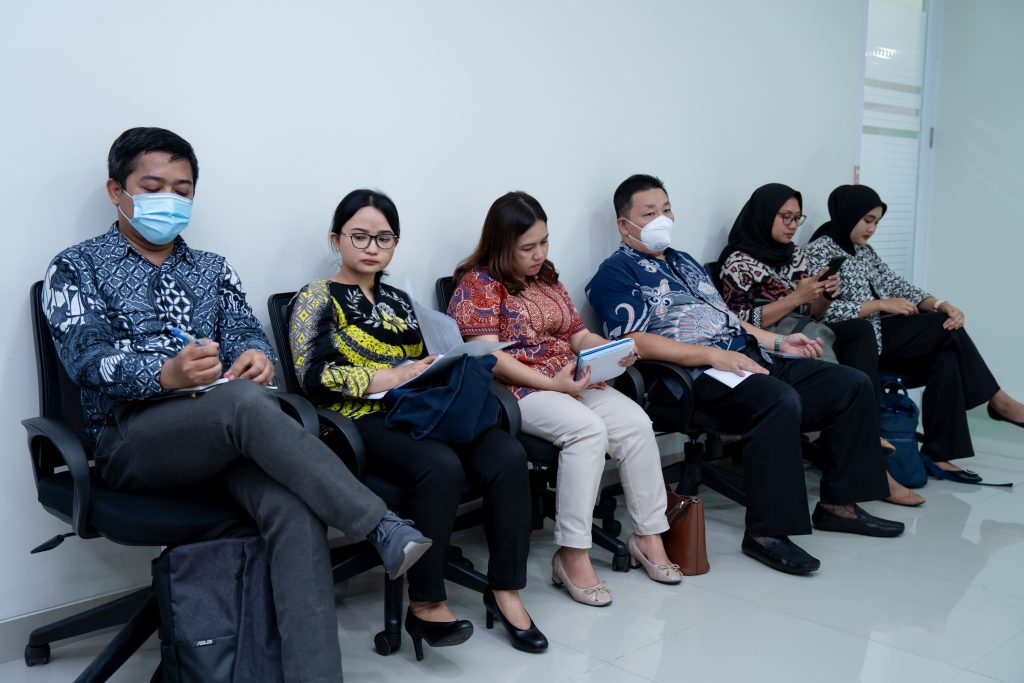

Running a company involves more than managing daily operations and achieving business targets. A company must also fulfill its legal and administrative responsibilities. For an Indonesian Perseroan Terbatas (PT), one important responsibility is holding an Annual General Meeting of Shareholders (GMS).
An Annual GMS gives shareholders an opportunity to review the company’s performance, discuss its annual report, and make decisions on matters within their authority. Proper preparation helps the company conduct the meeting efficiently while maintaining accurate corporate records.
Under Indonesia’s Law No. 40 of 2007 concerning Limited Liability Companies, a company must generally hold its Annual GMS no later than six months after the end of its financial year. Therefore, companies should plan the meeting well in advance instead of waiting until the deadline approaches.
Why Is the Annual GMS Important?
An Annual GMS supports effective corporate governance by creating a formal setting for shareholders to review the company’s activities and discuss important business matters.
Reviewing Business Performance
During the meeting, the board of directors can present the company’s annual report and explain its financial and operational performance. Shareholders can review the results, raise questions, and discuss areas that need improvement.
This process helps company leaders evaluate their progress and identify opportunities for future growth.
Improving Transparency
Clear communication between company management and shareholders helps everyone understand the company’s current position. When management provides accurate information, shareholders can make better-informed decisions and address concerns more effectively.
Supporting Corporate Compliance
Holding the Annual GMS on schedule helps a company manage its legal obligations. Proper documentation also gives the company a reliable record of shareholder decisions, which may be important for future corporate activities.

Steps to Organize an Annual GMS
Companies can simplify the preparation process by following a structured plan. Each stage requires attention to scheduling, documentation, communication, and legal procedures.
1. Set the Meeting Schedule
Start by reviewing the company’s financial year and identifying the applicable deadline for the Annual GMS.
For example, if a company’s financial year ends on December 31, the general statutory deadline for its Annual GMS is June 30 of the following year.
However, companies should avoid scheduling the meeting at the last minute. Coordinate with the board of directors, the board of commissioners, and shareholders to find a suitable date and allow sufficient time to prepare the necessary documents.
2. Prepare the Annual Report
The board of directors must prepare the annual report in accordance with applicable legal requirements. The report generally includes financial information and an overview of the company’s activities during the financial year.
The finance and administration teams can support this process by collecting financial statements, operational records, and other relevant information.
Before finalizing the report, verify the figures and check that the information is consistent across departments. Accurate records help shareholders understand the company’s performance and assess its financial position.
3. Send the Meeting Notice
The company must notify shareholders of the meeting in accordance with applicable regulations and its articles of association.
Under the general provisions of Indonesia’s Company Law, a GMS notice must generally be issued at least 14 days before the meeting, excluding the date of the notice and the meeting itself. Companies should verify the applicable requirements before sending the notice, as specific circumstances may affect the procedure.
The notice should clearly state the meeting date, time, location, and agenda. The company must also follow the required method of delivery to ensure that shareholders receive the information properly.
4. Conduct the Meeting Properly
Before starting the meeting, confirm shareholder attendance and check whether the meeting satisfies the applicable quorum requirements. These requirements may vary depending on the agenda and the type of resolution.
During the meeting, give shareholders an opportunity to review the annual report, ask questions, and discuss relevant business matters.
The meeting chair should keep the discussion focused on the announced agenda. Once the discussion concludes, the shareholders can proceed with the decision-making process in accordance with the applicable legal requirements.
5. Prepare the Minutes and Organize the Records
After the meeting, prepare minutes that document the proceedings and resolutions. These records help the company maintain an official account of the decisions made by shareholders.
Indonesia’s Company Law regulates the preparation of GMS minutes. Certain circumstances may also require a notarial deed or other supporting documents.
Review the minutes, attendance records, annual report, and related documents before storing them securely. If a resolution requires approval or notification to the Minister of Law, the company should complete the relevant procedure within the applicable deadline.
What Happens If a Company Neglects Its Annual GMS?
Failing to organize an Annual GMS can create corporate governance and administrative challenges. The consequences depend on the circumstances and the specific legal requirements involved.
For example, incomplete meeting records may make it harder to verify shareholder decisions. Delays can also contribute to disagreements among shareholders or complicate certain corporate transactions that require supporting documentation.
However, companies should not assume that every delay automatically leads to the same administrative penalty. The potential consequences depend on the applicable regulations, the company’s articles of association, and the nature of the non-compliance.
To reduce these risks, companies should maintain a compliance calendar, prepare documents early, and seek professional legal advice when the meeting involves complex resolutions.
Practical Tips for Smoother Annual GMS Preparation
A consistent administrative process can make Annual GMS preparation more manageable. Companies can start by creating an annual compliance calendar that includes the meeting deadline, document preparation dates, and shareholder notification schedule.
Assigning clear responsibilities also helps prevent delays. For example, the finance team can prepare financial information, the administration team can organize supporting records, and the company’s legal adviser can review procedural requirements.
In addition, keep corporate documents in an organized and secure location. Well-maintained records make it easier to retrieve information when the company needs to review previous resolutions or complete other administrative procedures.
Most importantly, begin preparations early. Early planning gives the company enough time to address missing information and resolve scheduling issues before the meeting takes place.
Conclusion
Managing an Annual GMS is an important responsibility for every Indonesian PT. Companies need to understand the applicable deadline, prepare their annual reports, notify shareholders properly, conduct the meeting according to legal requirements, and maintain complete records.
By following a structured process, businesses can improve administrative efficiency, support transparent corporate governance, and reduce the risk of compliance problems.
Rather than treating the Annual GMS as a routine formality, companies should make it part of their regular corporate compliance planning. Consistent preparation helps management and shareholders make informed decisions while keeping essential corporate records in order.
For more information, please visit indonesiabusinesslicense.com or contact us via WhatsApp at 085179680238.
0 Comments