
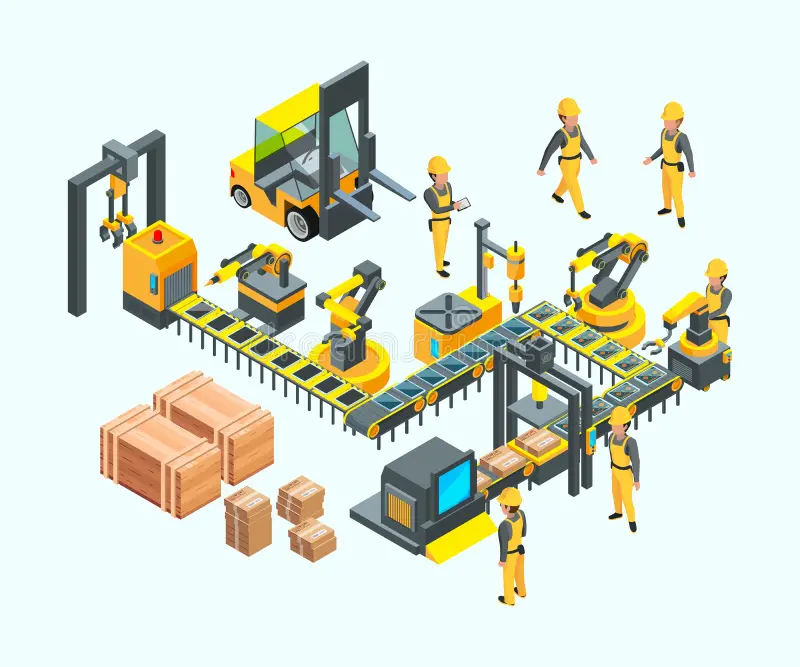

The manufacturing industry has entered a new phase of development. Companies no longer rely only on machinery, production lines, and manual supervision. Today, digital technology plays a central role in improving efficiency, product quality, and customer satisfaction.
Businesses now use smart machines, connected devices, automation, artificial intelligence, cloud computing, and data analytics to optimize production. These technologies allow manufacturers to monitor operations in real time, reduce downtime, and respond to market demands more quickly.
Although digital transformation offers many advantages, it also introduces new challenges. Companies must invest in technology, develop employee skills, and strengthen cybersecurity while maintaining productivity. Understanding both the opportunities and the challenges helps manufacturers create better long-term strategies.
New Opportunities for Manufacturing Companies
Digital innovation creates many opportunities for manufacturers that want to improve their competitiveness. Companies that embrace technology often complete production faster, reduce operating costs, and deliver better products.
Automation allows production equipment to perform repetitive tasks with greater speed and consistency. As a result, employees can focus on activities that require problem-solving, quality control, and innovation.
Data analytics also helps managers make better decisions. Instead of relying on estimates, companies can analyze production performance, equipment efficiency, customer demand, and inventory levels before making strategic decisions.
Another major opportunity comes from global market access. Digital platforms allow manufacturers to promote products, communicate with international buyers, and manage supply chains more efficiently than ever before.
Industry 4.0 Supports Smarter Production
Industry 4.0 continues to reshape manufacturing operations around the world. Smart factories connect machines, sensors, software, and employees through digital networks that continuously exchange information.
This connected environment helps managers monitor production in real time. They can identify machine problems early, schedule maintenance before breakdowns occur, and improve production planning using accurate operational data.
Predictive maintenance also reduces unexpected equipment failures. Instead of waiting for machines to stop working, companies analyze performance data and perform maintenance before problems become serious.
These improvements increase productivity while reducing operational interruptions.
Better Customer Experience Through Digital Technology
Modern customers expect more than high-quality products. They also want fast communication, accurate delivery schedules, product customization, and responsive customer service.
Digital systems allow manufacturers to track customer orders, monitor production progress, and provide timely updates throughout the purchasing process.
Companies can also collect customer feedback through online platforms and use that information to improve future products. Businesses that understand customer expectations often build stronger relationships and maintain higher customer loyalty.
The Challenge of High Initial Investment
Despite its advantages, digital transformation requires significant investment. Companies often need to purchase new production equipment, software, automation systems, network infrastructure, and cybersecurity solutions.
Small and medium-sized manufacturers may struggle to allocate enough resources for these upgrades. Some companies also face difficulties calculating the long-term return on investment.
Instead of upgrading every system at once, many manufacturers choose a gradual implementation strategy. This approach allows them to improve operations step by step while managing financial risks more effectively.
Workforce Development Becomes More Important
Technology alone cannot guarantee success. Employees must also understand how to operate new equipment and digital systems.
Manufacturing companies should provide regular training in automation, data analysis, cybersecurity awareness, equipment monitoring, and digital problem-solving. Continuous learning helps employees adapt to changing technology and contribute more effectively to business growth.
Organizations that invest in employee development often experience smoother digital transitions and stronger operational performance.
Cybersecurity Requires Greater Attention
As factories become more connected, cybersecurity becomes increasingly important.
Manufacturers store valuable production data, customer information, financial records, and intellectual property in digital systems. Cybercriminals often target these assets through ransomware, phishing attacks, malware, or unauthorized network access.
Companies should implement strong passwords, multi-factor authentication, regular software updates, employee awareness programs, and continuous network monitoring to reduce cybersecurity risks.
Building a strong cybersecurity culture protects both company operations and customer trust.
Supply Chain Management Continues to Evolve
Digital technology also transforms supply chain management.
Manufacturers can monitor inventory, track shipments, communicate with suppliers, and predict demand using integrated digital platforms. Better visibility allows companies to respond more quickly when supply disruptions occur.
Artificial intelligence and predictive analytics also improve inventory planning by helping businesses forecast future demand more accurately. These improvements reduce waste while ensuring products remain available when customers need them.
Companies that strengthen their digital supply chains often gain a competitive advantage in rapidly changing markets.
Sustainability Creates New Business Opportunities
Environmental responsibility has become an important business priority. Customers, investors, and governments increasingly expect manufacturers to reduce waste, lower energy consumption, and operate more sustainably.
Digital technology helps companies monitor energy usage, optimize production schedules, reduce material waste, and improve resource efficiency.
Many manufacturers also use smart monitoring systems to measure carbon emissions and identify opportunities for environmental improvement. Sustainable manufacturing not only benefits the environment but also strengthens brand reputation and attracts environmentally conscious customers.
Preparing for Long-Term Success
Digital transformation is not a one-time project. Manufacturing companies should continuously evaluate their technology, improve operational processes, develop employee skills, and monitor industry trends.
Businesses that encourage innovation and remain open to new technologies often adapt more quickly to market changes. Strong leadership, careful planning, and continuous improvement allow manufacturers to maximize digital opportunities while managing potential risks.
Companies that combine technology with skilled employees and efficient management create stronger foundations for long-term growth.
Conclusion
The digital industry era offers tremendous opportunities for manufacturing companies to improve productivity, product quality, customer satisfaction, and global competitiveness. Technologies such as automation, artificial intelligence, cloud computing, and data analytics continue to transform manufacturing operations around the world.
At the same time, companies must overcome challenges related to investment, workforce development, cybersecurity, and operational change. Manufacturers that embrace innovation, invest in employee skills, and implement digital technologies strategically will position themselves for sustainable growth and long-term success in an increasingly competitive global market.
For more information, please visit indonesiabusinesslicense.com or contact us via WhatsApp at 085179680238.
0 Comments